
The Steps

from olive harvesting to olive oil bottling

We established Moulin Castelas in 2002, modeled after a wine cellar. Indeed, the production of olive oil closely resembles that of wine. Take it from a winemaker’s daughter! The harvesting of perfectly ripe olives, the extraction of juices, the blending of varieties… everything follows a similar approach.

We chose to equip ourselves with our own mill to master the entire production process, from selecting the olive harvest date to the manufacturing method and blending. This allows us to extract the best from each variety and, above all, to create an olive oil that reflects our vision of this elixir.

Like certain winemakers, we strive to highlight the fruit and crispness of the olive in our oil, while imparting a clear, pure, and refined profile. A bit of this philosophy flows into our bottles…

The harvest takes place from mid-October to the end of November. Discover all the steps, from olive harvesting to olive oil bottling.

step1-harvest

Olive Harvesting

in the orchards

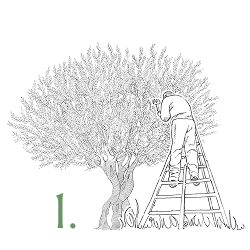
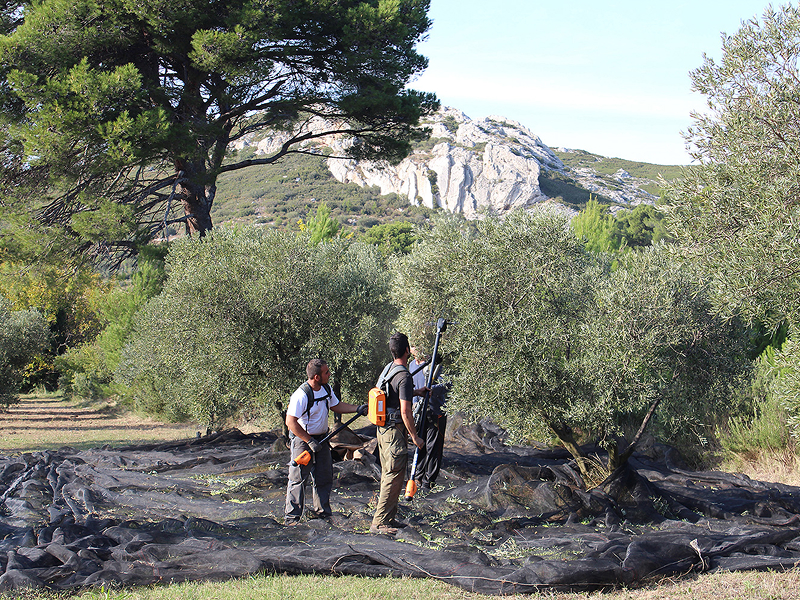
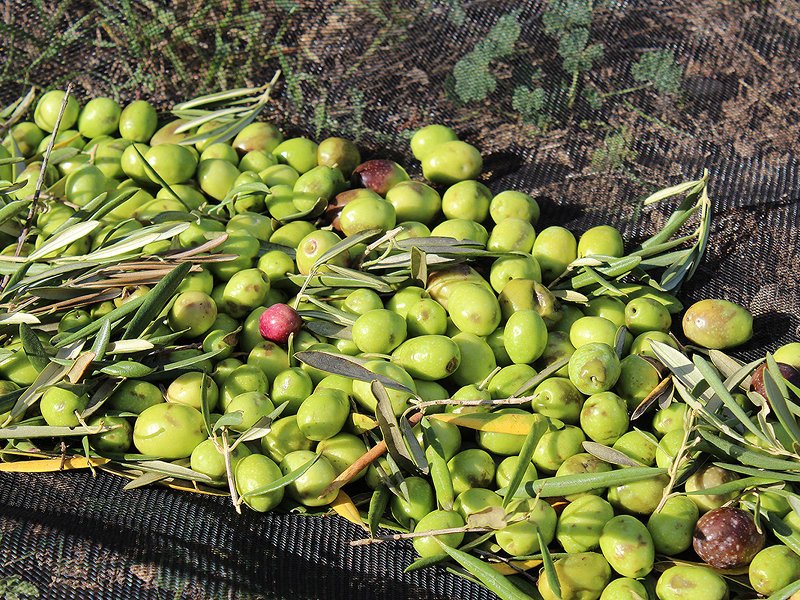
Olives are harvested using combs and nets.
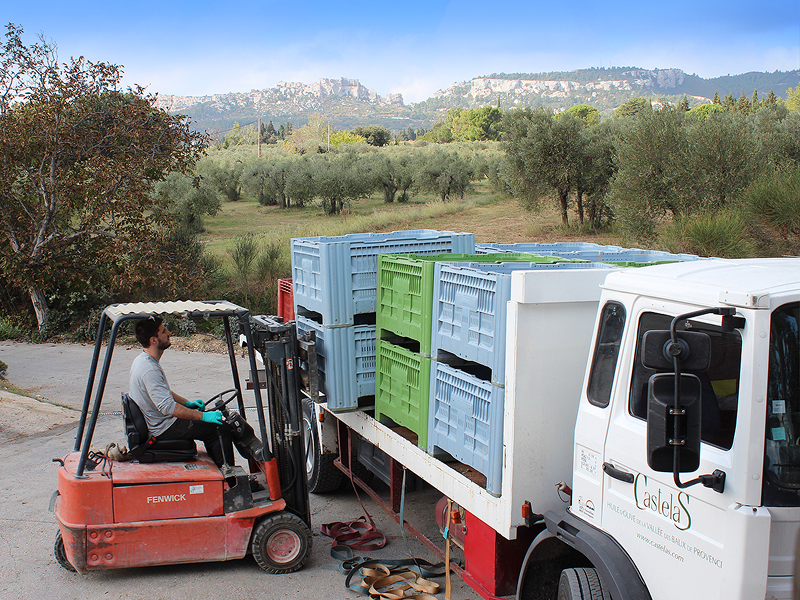
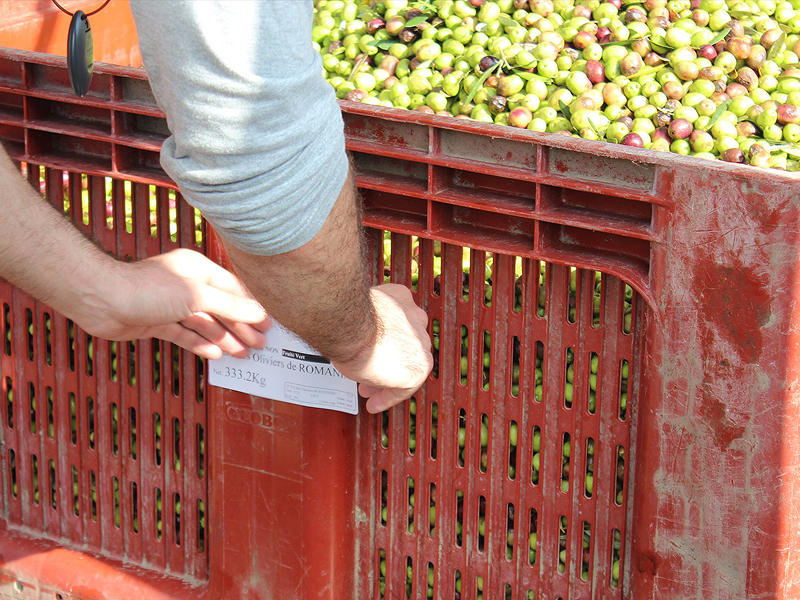
They are transported to the mill in pallet boxes, each containing approximately 300 kg of olives.

step2-defoliation

Defoliation

and traceability

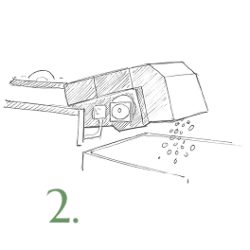
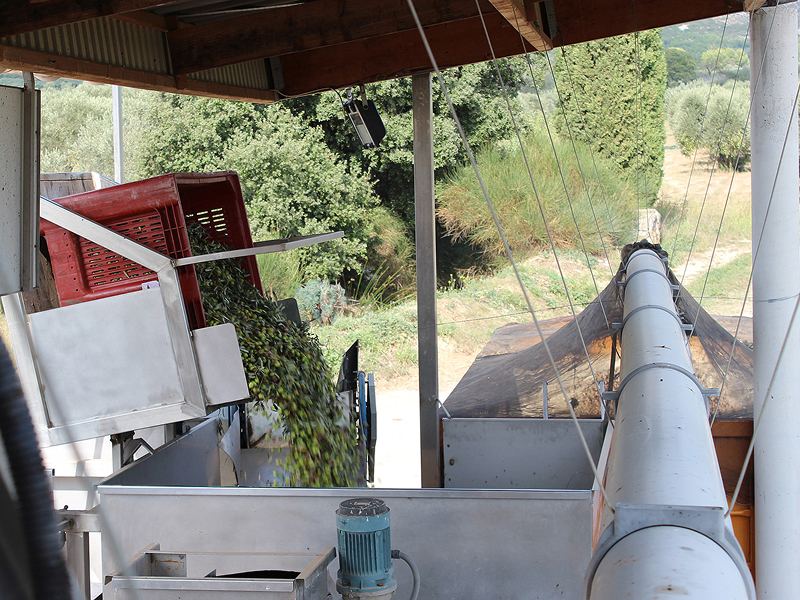
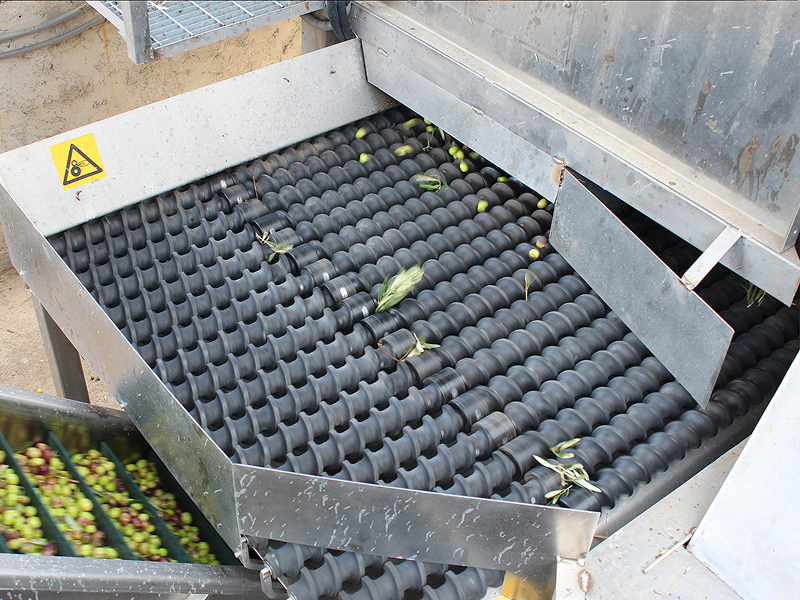
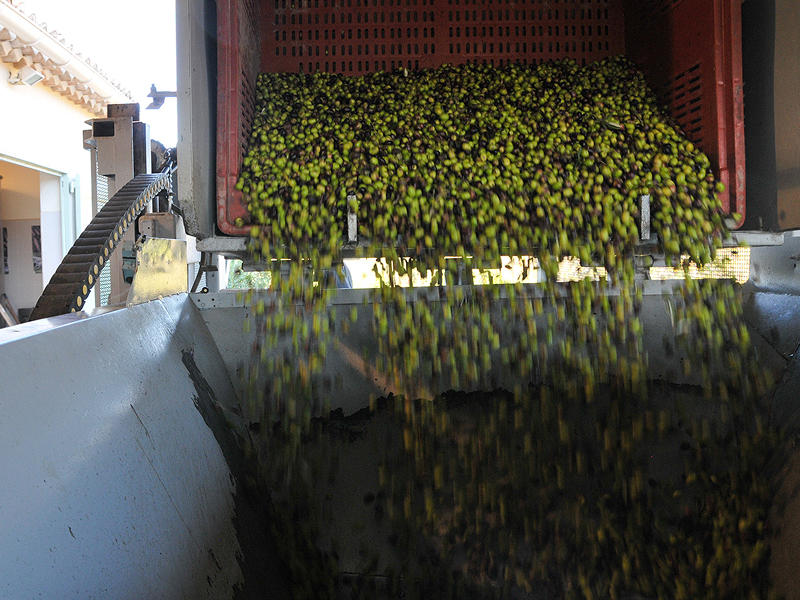
Upon arrival at the mill, the olives are unloaded into the defoliator. This machine operates like a powerful blower with conveyor belts to remove leaves and branches.
The olives are then weighed and identified by orchard, variety, and arrival time: this ensures traceability.

step3-washing

Washing

of the olives

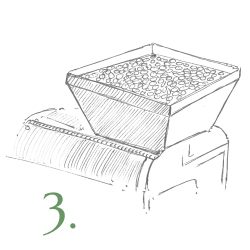
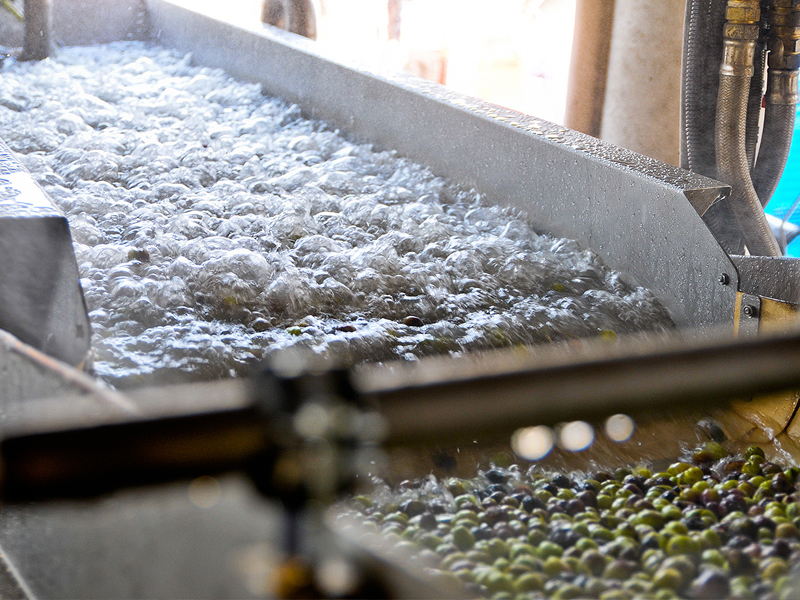
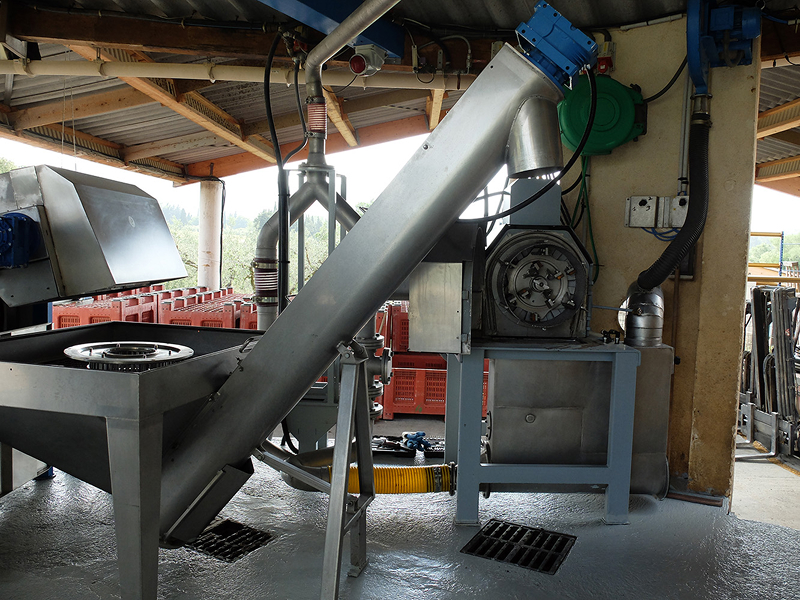
The crate unloader empties the olives, which are then conveyed to the washer.
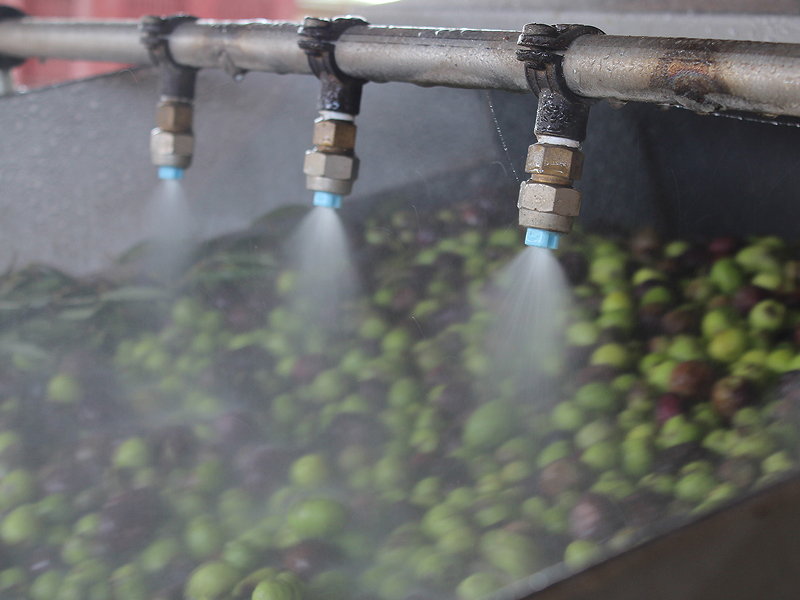
The olives pass through this water bath to remove dust accumulated during the summer. Once clean, they are guided by an auger to the crusher.

step4-crushing

Crushing

of the olives

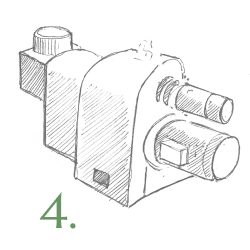
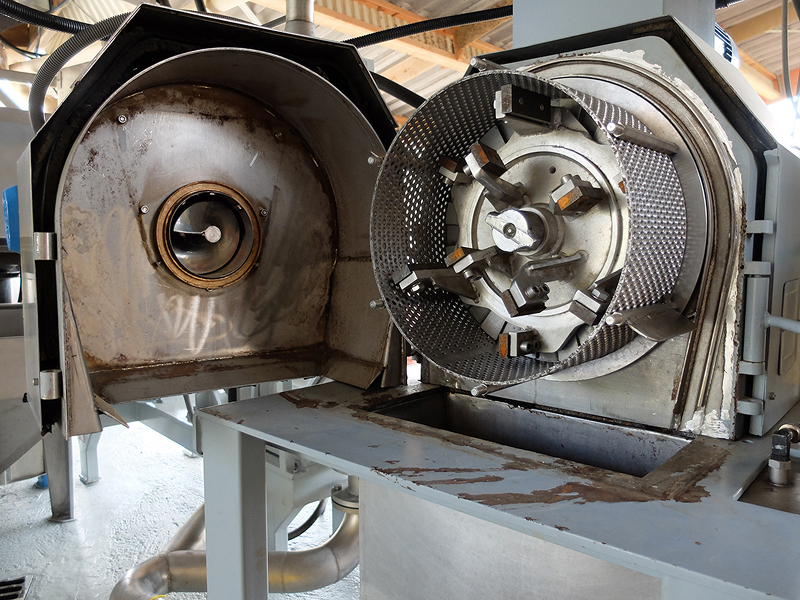
The crusher is the key element of our facility. To preserve the components of the olive that give the oil its aromas and flavors, it performs a gentle crushing.
A slow action pushes the olives through a first screen that pre-crushes, then a second screen gently finishes the crushing without heating the paste.
The olives are crushed with their pits, as the pit contains an antioxidant, acting as a natural preservative.

step5-malaxation

Malaxation

of the paste

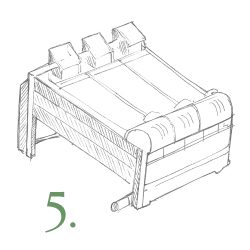
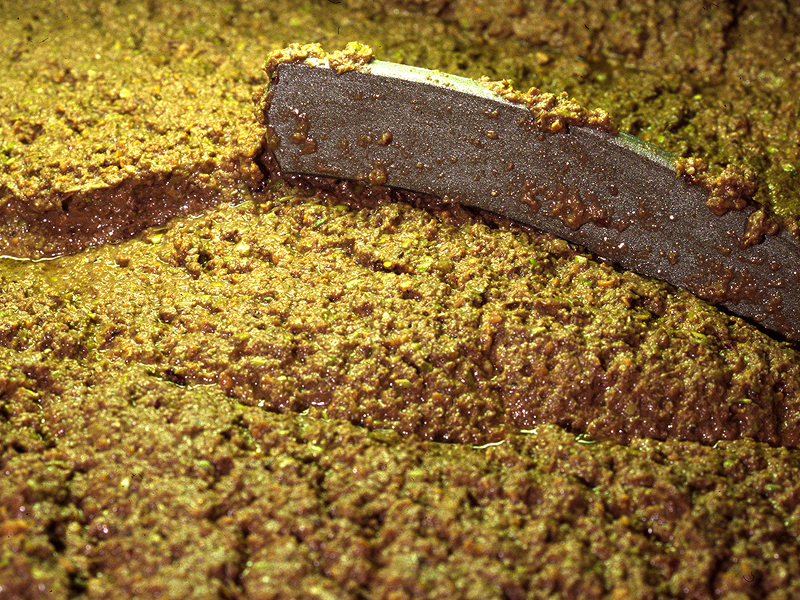
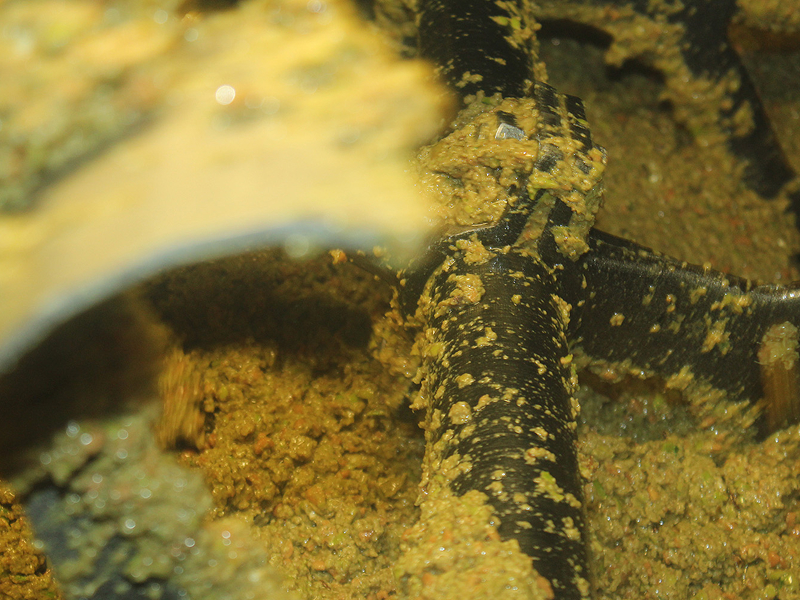
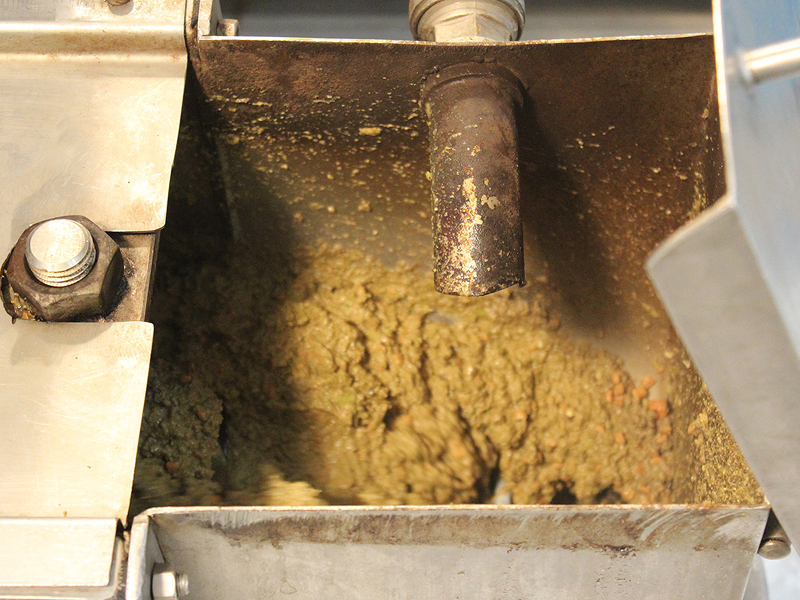
The resulting paste then goes into the malaxer. The malaxer is a tank containing an auger that allows the paste to be kneaded for 20 to 30 minutes to release the vacuoles containing the olive oil. During this phase, the temperature is maintained below 27°C, hence the term cold extraction. We perform a short malaxation to transfer all the fruitiness of the olive pulp to our oil.

step6-separation

Separation

by decanter

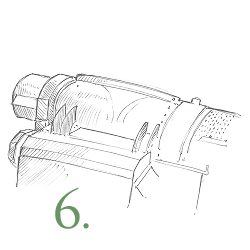
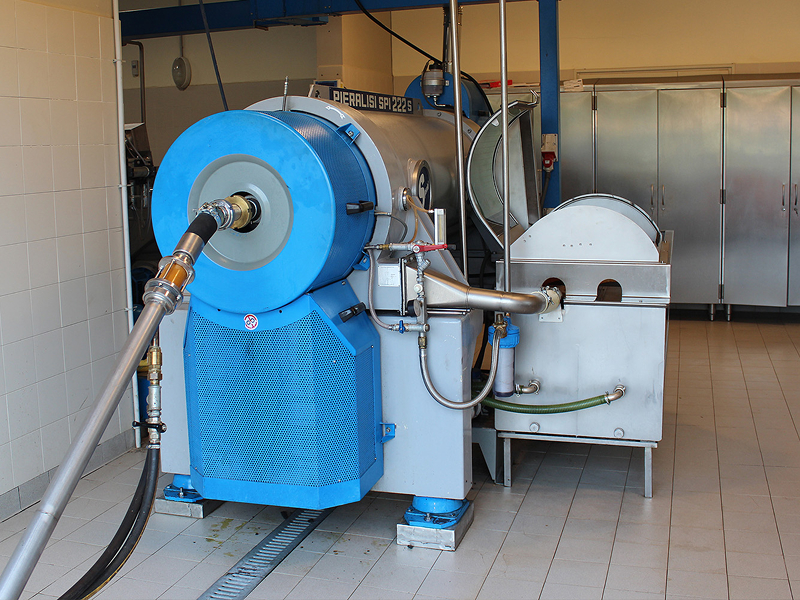
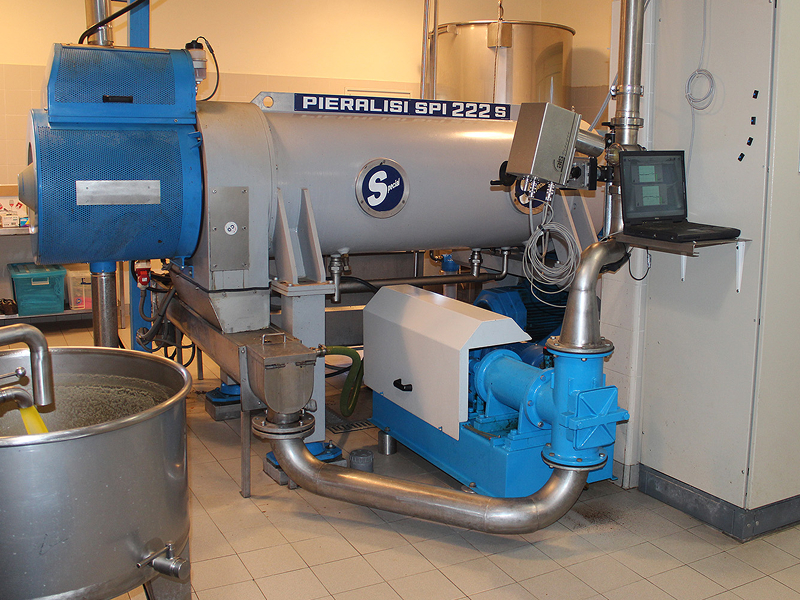
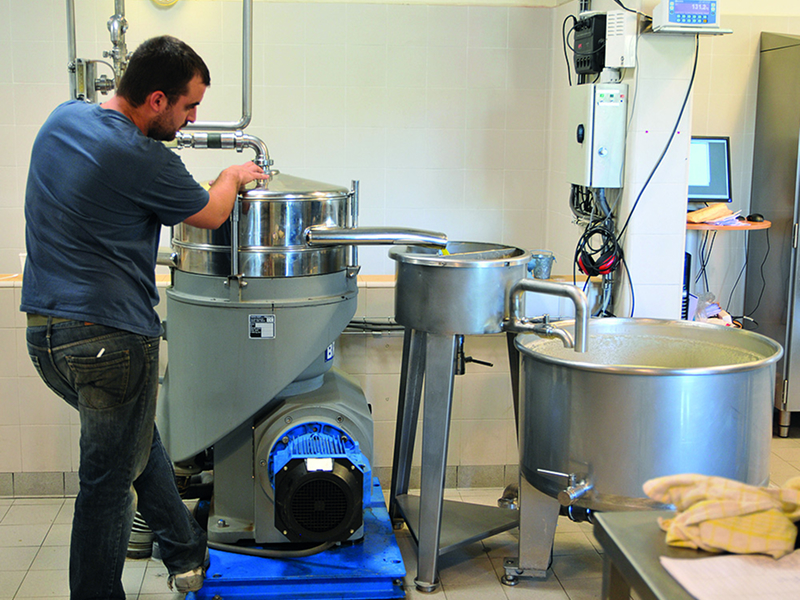
The decanter separates solid elements from liquid elements. The operation is carried out by centrifugation in a large metal cylinder rotating at high speed. The paste is pressed against the walls of the drum.
The lighter oil is collected in the center of the cylinder.
The solid compounds, called “wet pomace,” are recycled as compost in our orchards to provide nutrients for the trees.

step7-centrifuge

Centrifuge

vertical

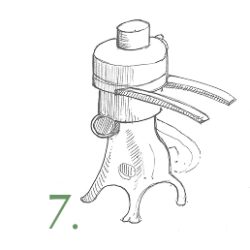
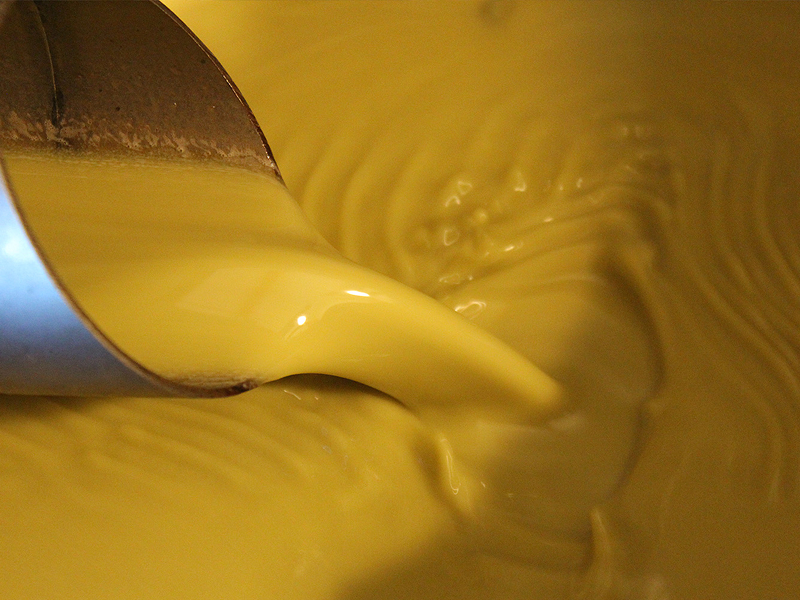
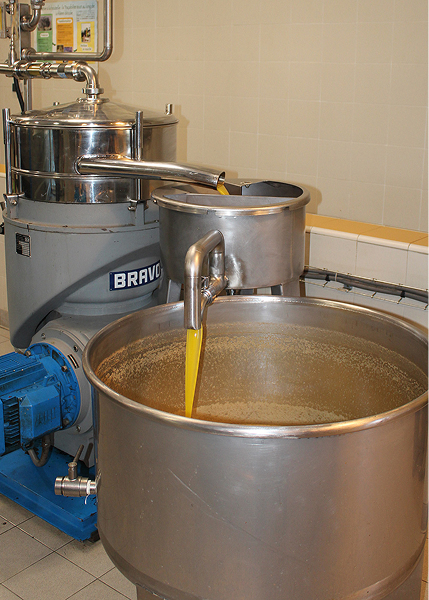
The oil passes through a second, gentler vertical centrifuge, which cleans it of any impurities. The 100% olive oil final product descends by gravity into tanks located in the basement.

step8-analysis

Organoleptic

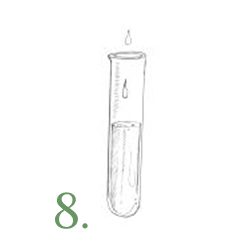
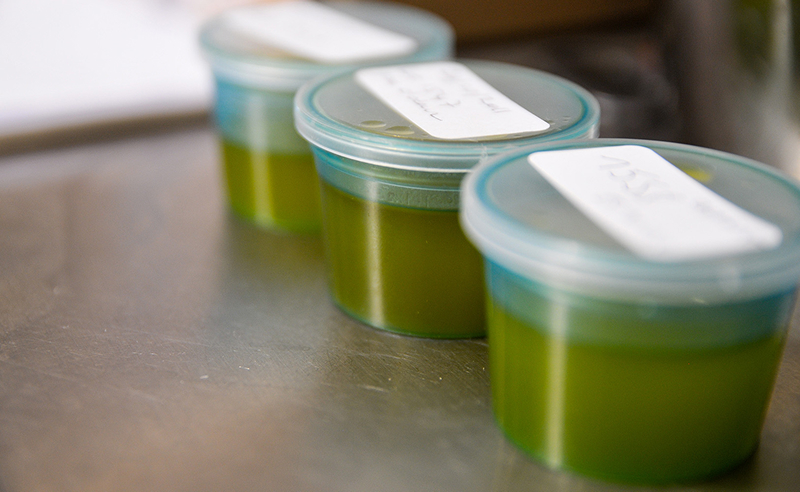
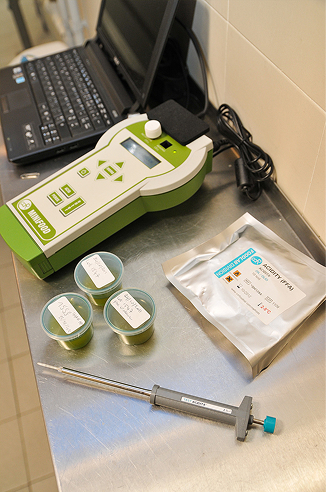
Upon exiting the centrifuge, an olive oil sample is taken to check the acidity percentage.

step9-storage

Storage

in stainless steel tanks

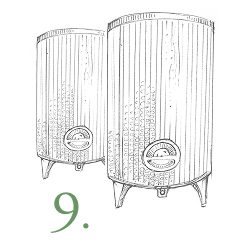
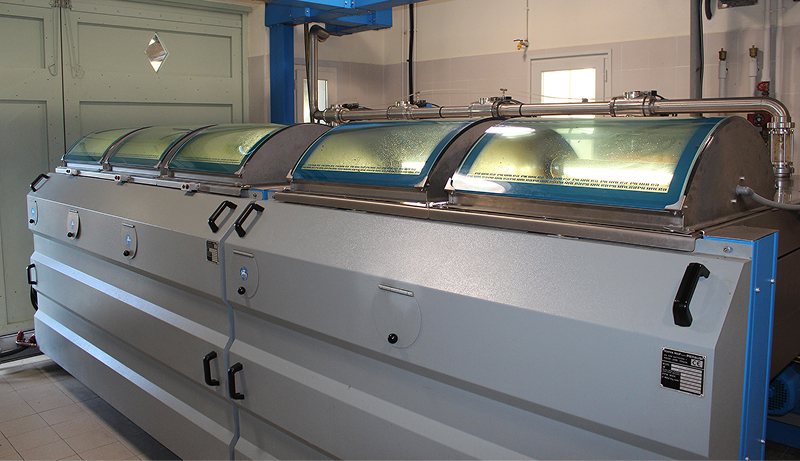
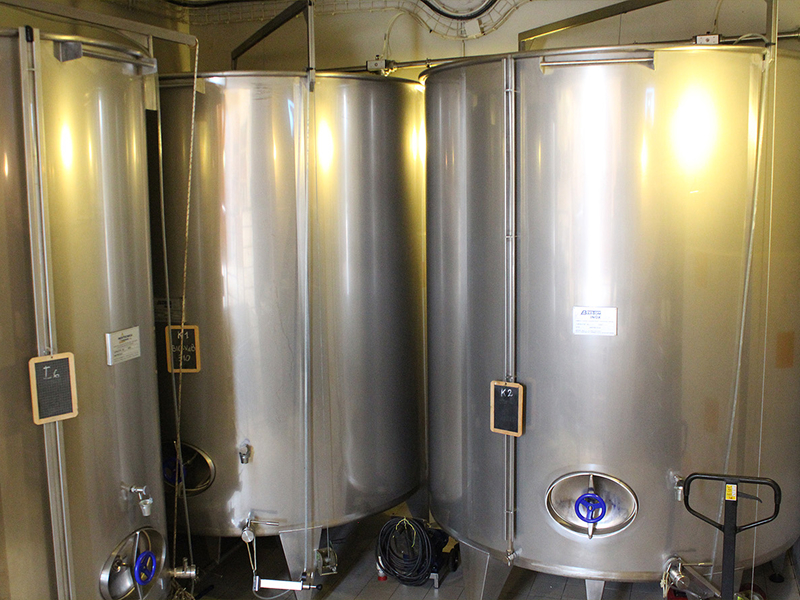
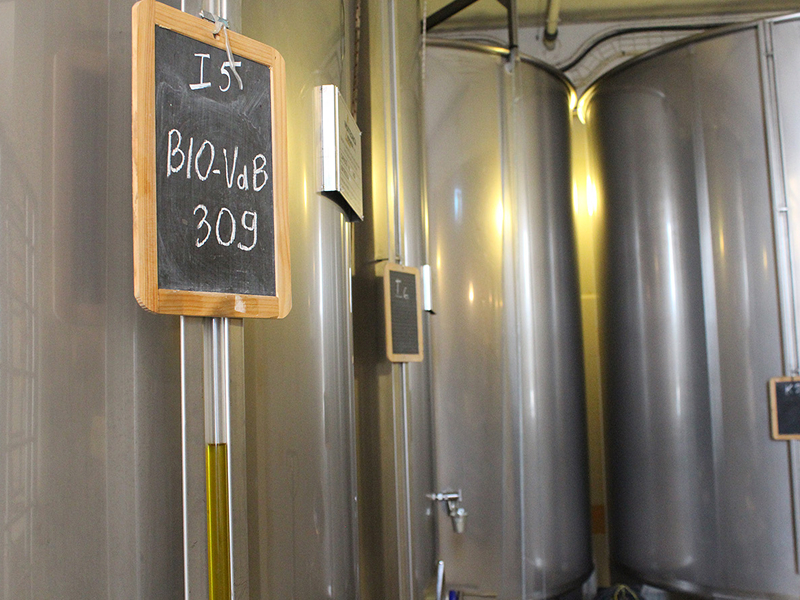
Each stainless steel tank has a floating lid that protects the oil from oxidation, its great enemy. It rests peacefully there, protected from light and at a constant temperature (18°C).

step10-bottling

Bottling

on the property

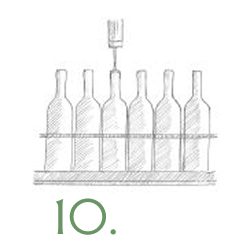
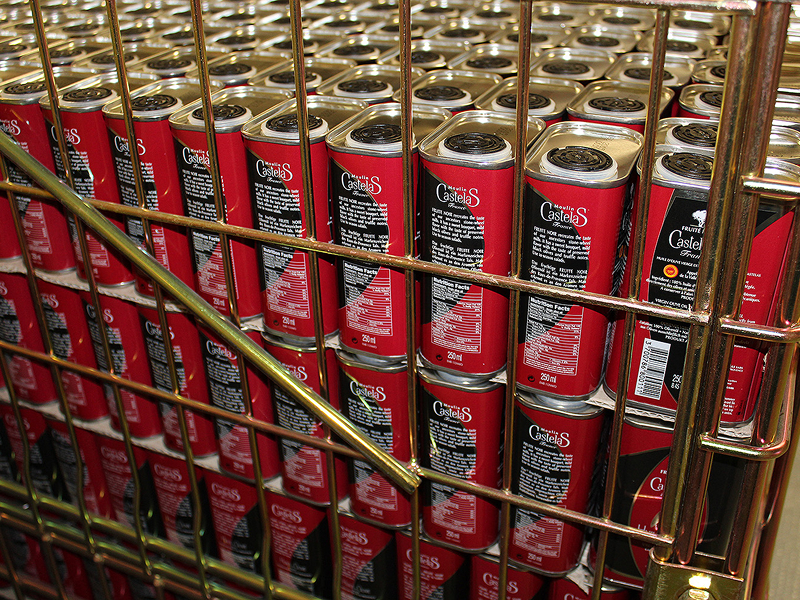
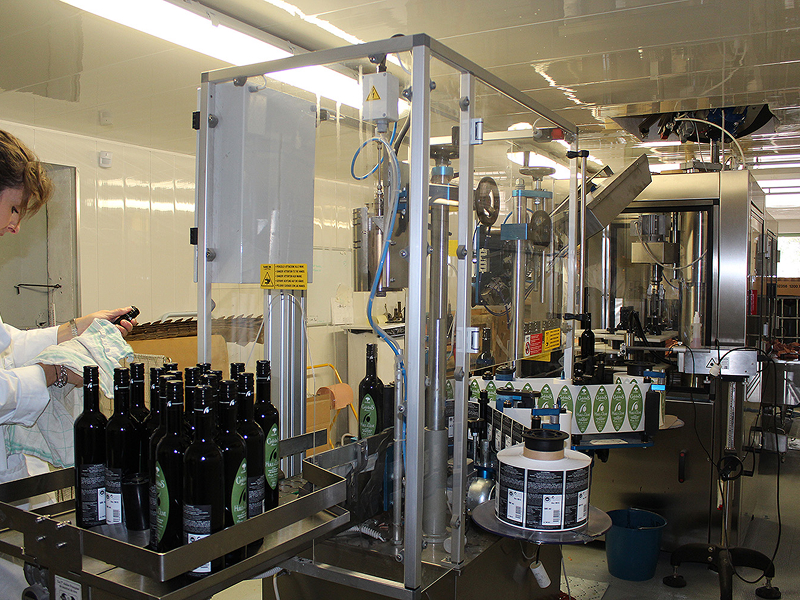
Bottling is done as needed. The dressing of our bottles is the final care provided before shipping or on-site sale.

Olive
Grower

in the Vallée des Baux de Provence

Producer and Miller in Provence. We welcome you every day, in the heart of the Vallée des Baux de Provence, under the protective gaze of the castle, for a gourmet escape against the backdrop of a Van Gogh painting.

The Olive Tree, the True Star

of the Alpilles

In the Vallée des Baux de Provence, the olive tree reigns supreme.

Visit our orchards

in an exceptional setting

45 hectares under the Protected Designation of Origin (PDO) of the Vallée des Baux de Provence and 65 hectares in the Plaine de Crau.

The Mill

built in 2002

We built the Castelas Mill based on the model of a wine cellar. Indeed, the production of olive oil closely resembles that of wine.

a team

of women and men

it is a team of women and men who have grown together since its creation by Catherine and Jean-Benoit Hugues.

La newsletter Castelas