
Olive Grower
The Olive Grower
Cultivator of the Tree
At Domaine Castelas, the profession of olive grower follows the rhythm of the wind, light, and seasons. Observing, caring for, understanding the tree: every action counts in guiding the olive tree through its natural cycle and revealing the full character of its fruits.
From orchards rooted in exceptional terroirs to carefully selected olive varieties, each step tells a story of connection to the land.
The olive grower shapes this living landscape while ensuring the preservation of biodiversity and ecological balance.
Discover through these pages the changing seasons, the richness of the soil, the diversity of varieties, and the cultivation methods that make Castelas unique.
And, subtly, the passion of those who, every day, cultivate the soul of the Provençal olive tree.
Commitment to the Olive Tree
An Agronomic Practice Designed for Longevity
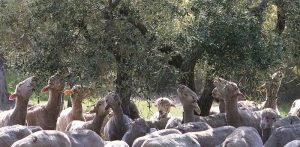
Our olive groves are established on varied soils and exposures, which influence the vigor of the trees and the quality of the fruits. Orchard management relies on carefully planned pruning, sustainable soil maintenance, and controlled drip irrigation, used as a supportive tool rather than a forcing one. For over twenty years, we have been revalorizing the by-products of olive oil extraction. Pomace and olive mill wastewater are composted and then returned to the olive groves, helping to nourish the soil, strengthen its structure, and support biological life. This approach is part of a circular and sustainable vision of olive growing. The estate also integrates agro-pastoral practices, promoting natural plot maintenance, biodiversity, and ecosystem balance. The olive grower thus becomes a manager of a living landscape, attentive to the soil, water, and long-term cycles. It is the combination of these cultivation practices, the daily commitment of those who cultivate the Provençal olive tree with high standards, respect, and humility, that makes Castelas unique.
Cultivation Method
"Listening to the trees"
We cultivate our orchards to the rhythm of the seasons, the needs of the tree, and with respect for our environment.
In 2006, CastelaS chose to orient its production towards organic farming (AB), selecting the isolated orchard of Romanin as its first step. As the orchard was already cultivated using sustainable farming practices, the only remaining challenge to meet organic standards was to find a solution against the olive fruit fly (Bactrocera Oleae), which lays an egg inside the olive. The larva then develops in the pulp. Fly attacks lead to an alteration of oil quality by increasing acidity levels and peroxide value. This was a real challenge, as no practical, large-scale solution existed at the time.
Sheep in the Romanin orchard
The plot in Romanin, St Remy de Provence, was the ideal candidate for our trials: 15 hectares in a single block planted with AOP varieties, entirely isolated by natural hedges sheltering beneficial fauna. The only neighbors were vineyards that had been organically farmed for a long time.
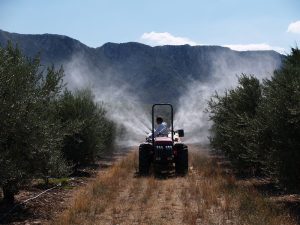
It took a lot of energy and tenacity to get kaolin, a natural clay, approved. The trees are covered with a mixture of this clay and water, which disorients the fly. This way, we manage to reduce the damage caused by the fly.
“At first, no one believed it,” recalls Jean-Benoit Hugues.
What madness to paint the olive trees white!
kaolin
now approved
With the help of the interprofessional organization AFIDOL*, kaolin is now approved and can be used throughout the summer to create a barrier against fly attacks. This technique is now used in all olive-growing regions of France.
Regarding taste, working organically with olive trees does not create noticeable changes. However, it encourages the olive grower to reflect on their cultivation practices. And from this reflection, a more flavorful product emerges. Three organic harvests are required to obtain organic certification for an orchard. Each year, new orchards are converted with the aim of producing 100% organic CastelaS olive oil in the near future.
Our Head Cultivator's Anecdote
“When I arrived at the estate fifteen years ago, some plots were still very heterogeneous. Fragmented orchards, tired trees, poor soils. We started by observing, understanding, without rushing things. Little by little, we reconnected the plots, worked the soils with the mill’s compost, adjusted pruning, and let time do its work. Today, when I walk through the olive groves, I recognize their balance. The trees have regained regularity, a just vigor. That’s what makes me proud: seeing an orchard evolve, year after year, because we made the right decisions at the right time. When you respect the tree and time, the olive tree gives back.”
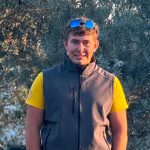
Baptiste
Head Cultivator